A Guide to Caring for Your Eco-Friendly Fabrics


Eco-friendly fabrics are becoming increasingly popular as more people seek sustainable and environmentally conscious options for their wardrobes. From organic cotton to bamboo and hemp, these materials offer a range of benefits. However, they also require specific care to maintain their quality and longevity.
Understanding Your Eco-Friendly Fabrics
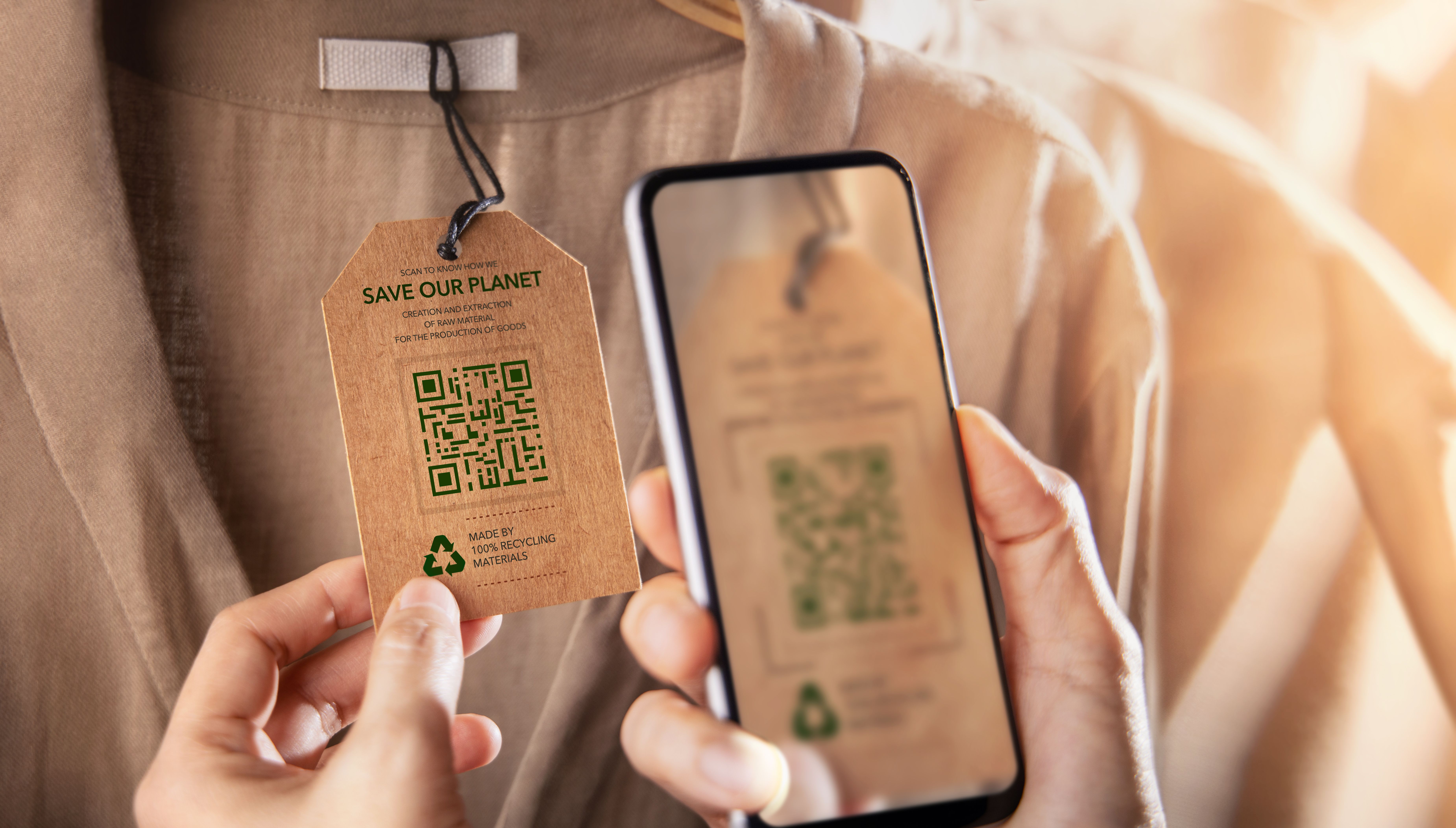
Before you start caring for your eco-friendly fabrics, it's important to understand the characteristics of each type. For instance, organic cotton is grown without harmful chemicals, making it softer and more breathable. Bamboo is naturally antibacterial, while hemp is known for its durability.
Different fabrics will have different needs. Knowing the properties of each material helps in choosing the right care techniques, ensuring your eco-friendly garments last longer.
Reading Labels and Instructions
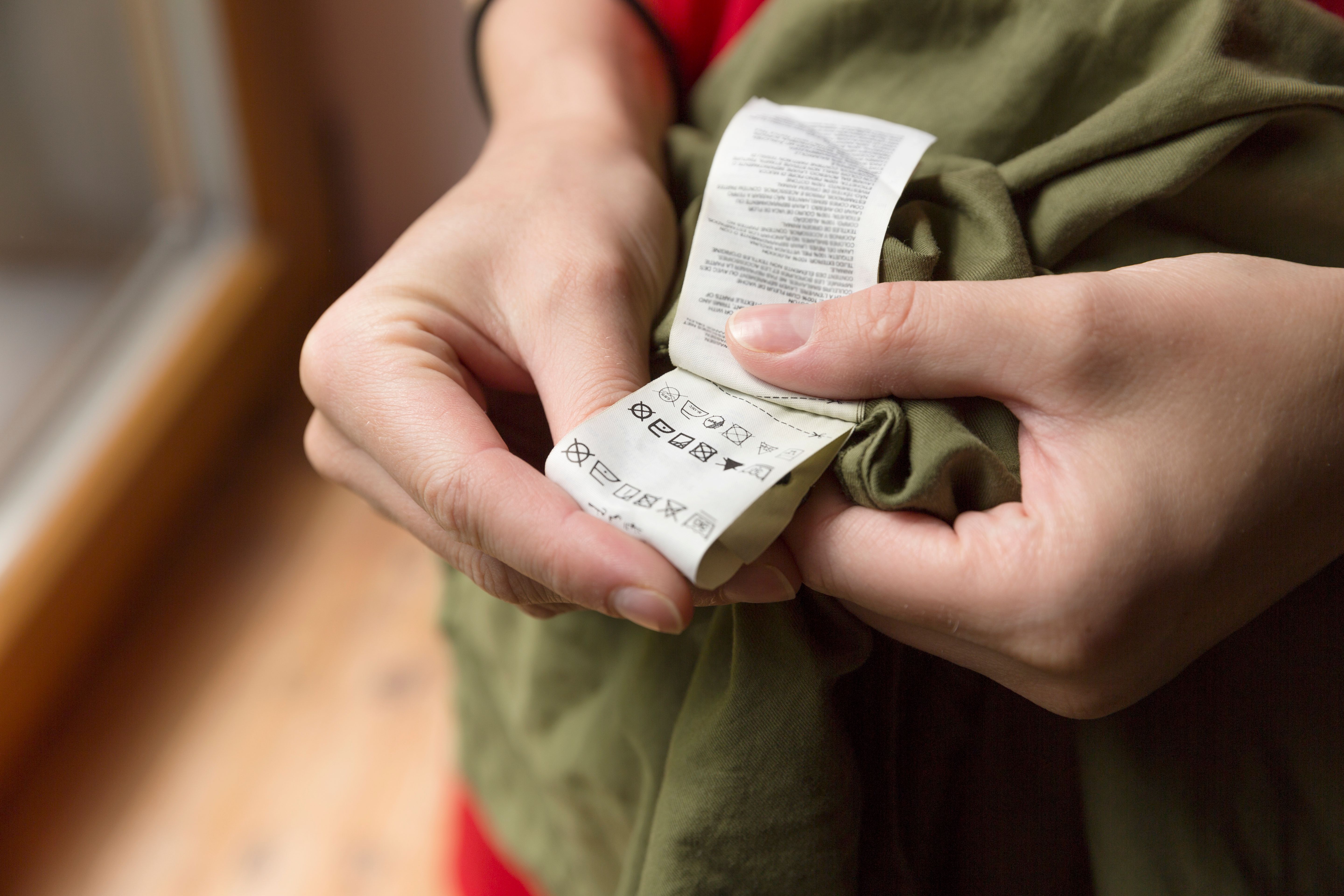
Always begin by checking the care label on your garments. These labels provide essential information specific to the fabric type. Look for instructions regarding water temperature and washing methods. Some fabrics might require hand washing or air drying to prevent damage.
Washing Your Eco-Friendly Garments
When it comes to washing, using cold water is generally a safe bet for most eco-friendly fabrics. Cold water helps preserve the fabric's integrity and color, reducing the risk of shrinkage or damage. Opt for a gentle, eco-friendly detergent to further protect the material and the environment.
Hand Washing vs. Machine Washing
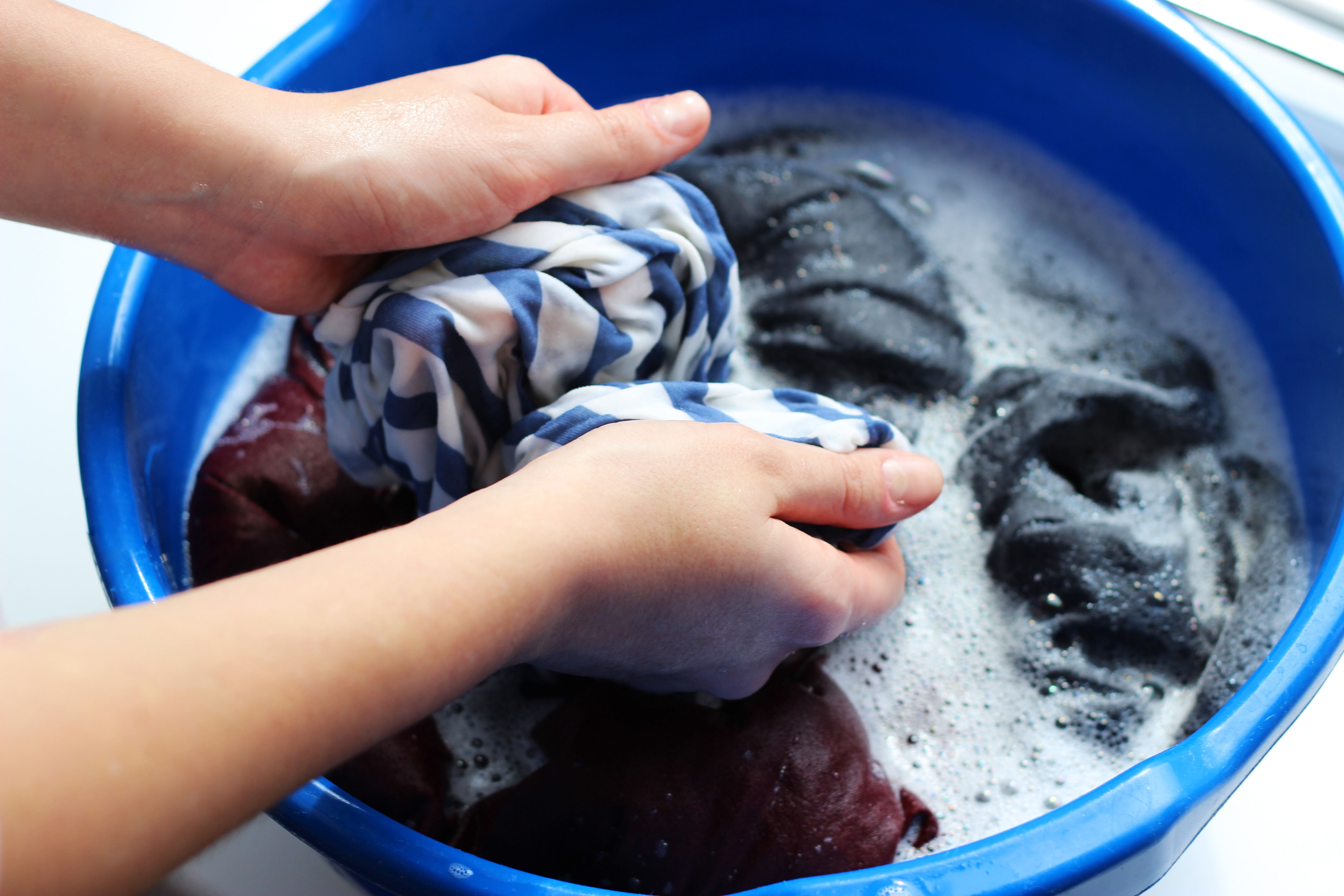
For delicate fabrics like bamboo or silk, hand washing is often recommended. Use a gentle touch and avoid wringing the fabric to prevent stretching. If machine washing is necessary, use a gentle cycle and place items in a mesh laundry bag for added protection.
Drying Techniques for Sustainability
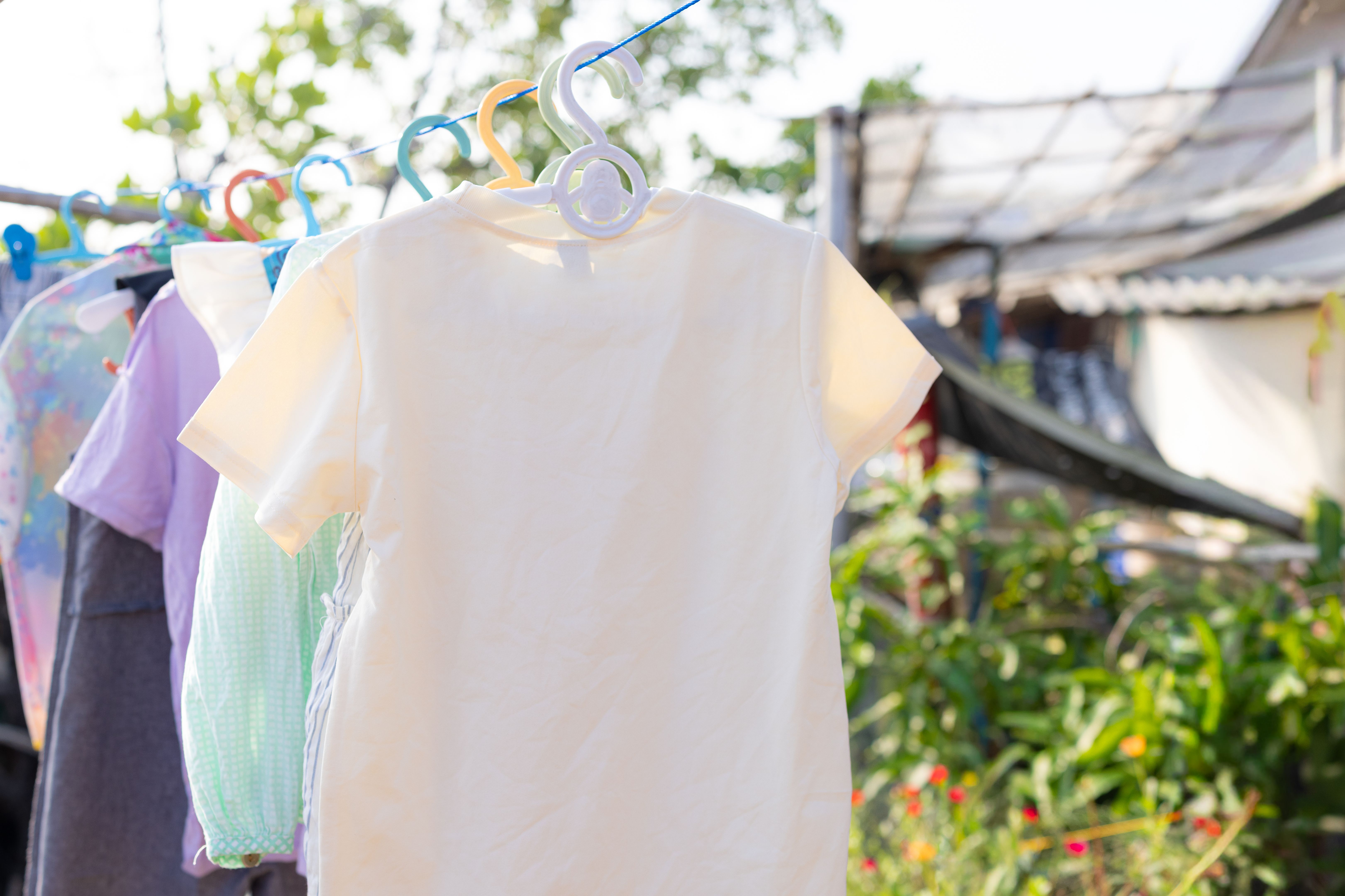
Air drying is the most sustainable method for drying your eco-friendly garments. Lay items flat on a clean towel or hang them to dry naturally. This method not only conserves energy but also reduces wear and tear on the fabric.
Avoiding Heat Damage
High heat can damage eco-friendly fabrics, causing them to lose shape and strength. If you need to use a dryer, select the lowest heat setting and remove items while they are still slightly damp to finish drying naturally.
Storing Your Eco-Friendly Fabrics
Proper storage is key to maintaining the quality of your eco-friendly garments. Store them in a cool, dry place away from direct sunlight. Use breathable garment bags for items like silk or organic cotton to prevent dust accumulation.
Avoid overcrowding your closet, as this can lead to creasing and fabric damage. Instead, give each garment ample space to breathe.
Final Thoughts on Eco-Friendly Fabric Care
By paying attention to the specific needs of your eco-friendly fabrics, you can ensure that they remain in excellent condition for years to come. This mindful approach not only preserves your garments but also supports a more sustainable lifestyle.